
Still Running VMware? You’re Not Alone (And You’re Not Wrong) - Part 1
VMware in 2026: Acceptance, Coping, and Better Telemetry

Let’s start by saying the quiet part out loud.
Broadcom VMware licensing is out of control.
Not “a little expensive.” Not “needs better explanation.”
Full-on “did someone add an extra zero and then hit save?” out of control.
And yes — before the comments section warms up — there are options.
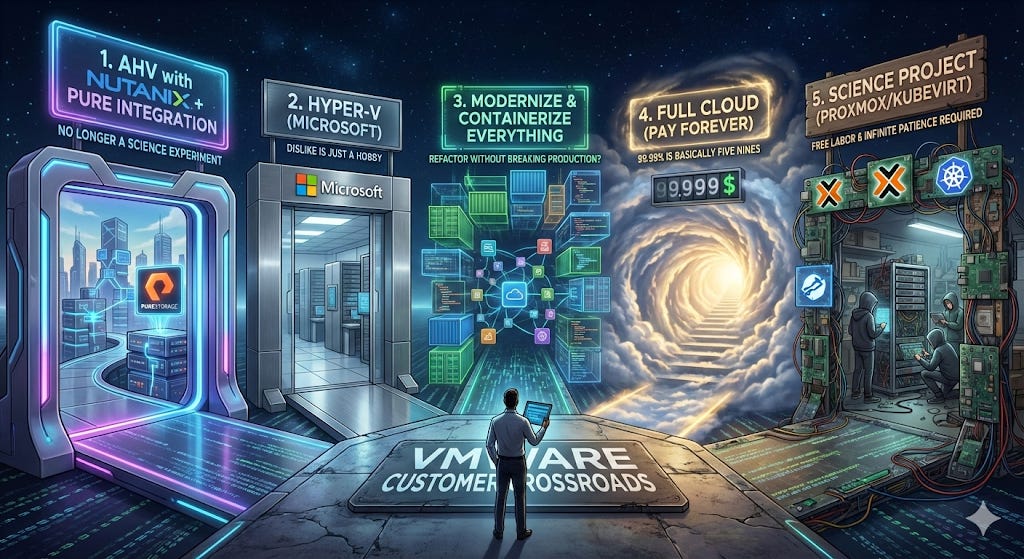
Some people can:
Jump ship to AHV with Nutanix, especially now that the Pure integration exists and doesn’t feel like a science experiment.
Go Hyper-V, assuming your dislike of Microsoft is more of a hobby than a core belief system.
“Modernize and containerize” everything, if you truly believe your org can refactor applications without breaking production, relationships, or morale.
Go full cloud, if you’re cool paying forever and explaining why 99.99% availability is “basically five nines.”
Build a true science project with Proxmox or KubeVirt, assuming you have access to free labor in the form of computer science majors and infinite patience.
And then there’s the last option.

Hold tight. Stay with VMware.
This post is for those people.
The loyal. The constrained. The contractually obligated.
The ones who didn’t choose VMware — VMware chose them.
The Worst Phone Call in VMware Land
If you’ve administered vSphere for more than five minutes, you know the call.
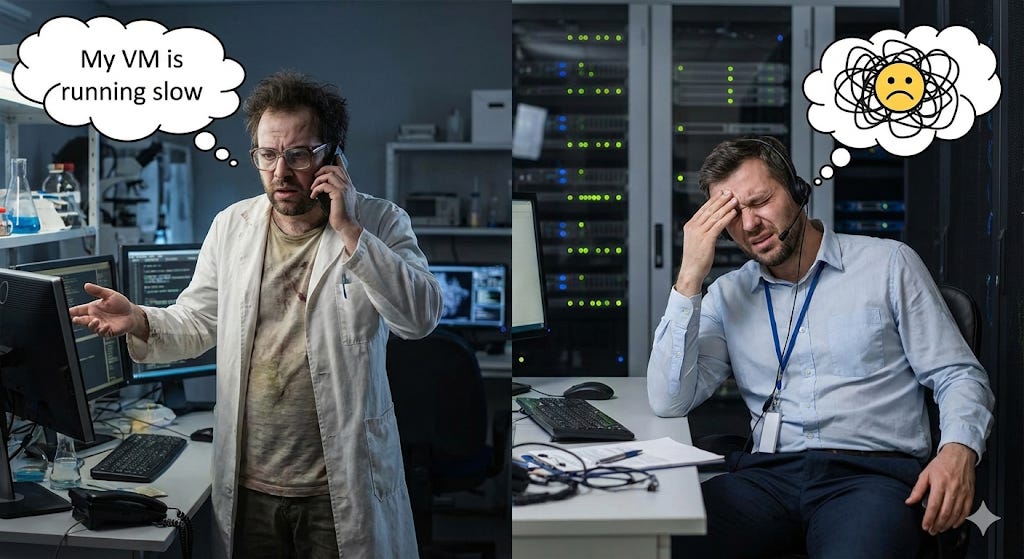
“Hey… one of our VMs is running slow.”
No error message. No timestamp. No change request. Just vibes.
So what do we do?
Fire up Aria Operations (or whatever vRealize / vROPS is called this quarter)…
assuming you licensed it, deployed it, tuned it, and didn’t abandon it after week two.Stare at vCenter charts like they owe us money.
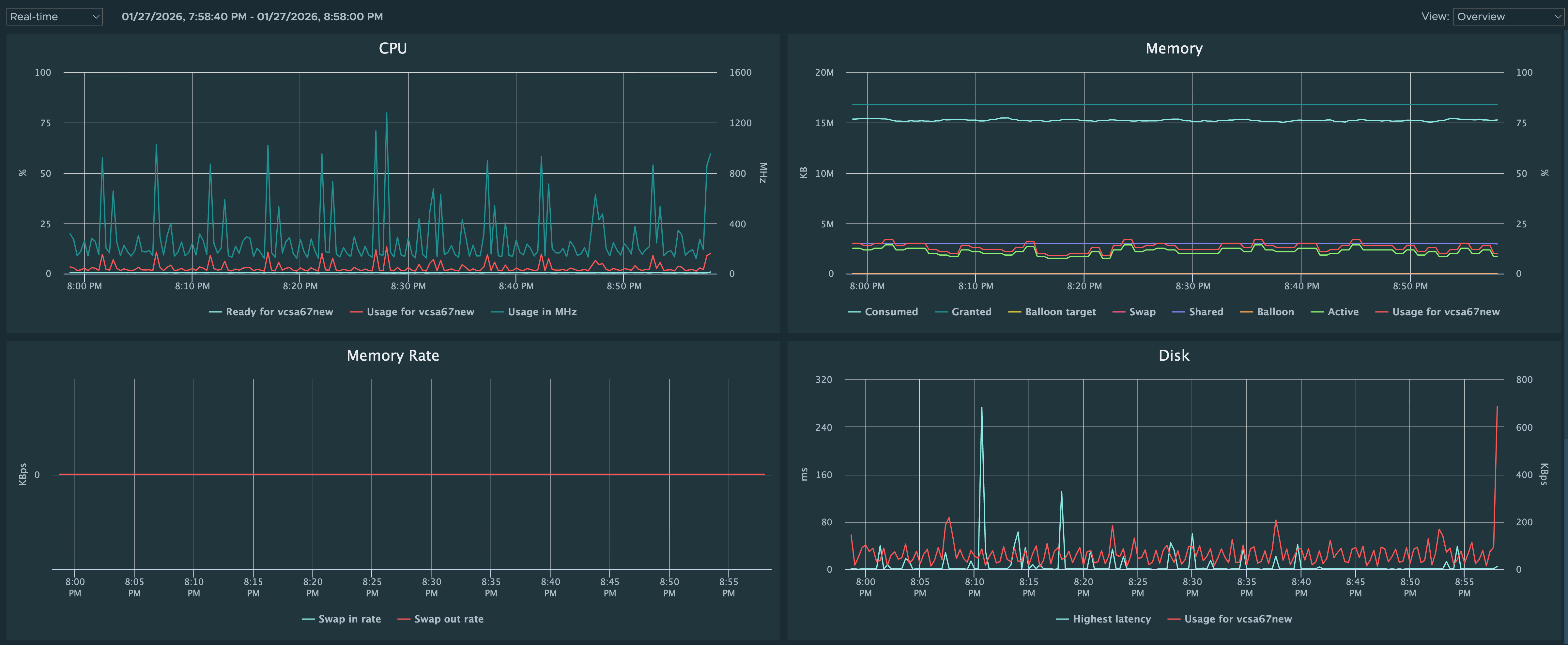
Or — my personal favorite — pray it goes away before the phone rings again.
And here’s the uncomfortable truth:
Most VMware environments are flying partially blind.
Not because admins are bad.
Because the tooling either:
Takes weeks to set up properly
Lives in silos (compute here, storage there)
Or only works well if you already bought everything from one vendor
When You’re Staying on VMware, You Still Need Answers
If you’re stuck in VMware for the foreseeable future, your daily life doesn’t get easier. It gets louder.
More contention. More licensing pressure. More scrutiny when something hiccups.
What you actually need — especially when the VM is not on new shiny hardware — is:
End-to-end visibility
Vendor-agnostic troubleshooting
Fast answers without finger-pointing
This is where things get interesting.
A Neutral Party in a Very Political Stack
There’s a tool most people don’t realize can help them even if they don’t run Pure Storage.
Pure Storage has a VM Analytics capability that:
Connects to vCenter
Pulls telemetry from ESXi
Builds a live map of VM → host → datastore → storage
And does not judge you for running legacy arrays, vSAN, or something held together by hope and firmware updates
Your storage might show up as “Unknown”.
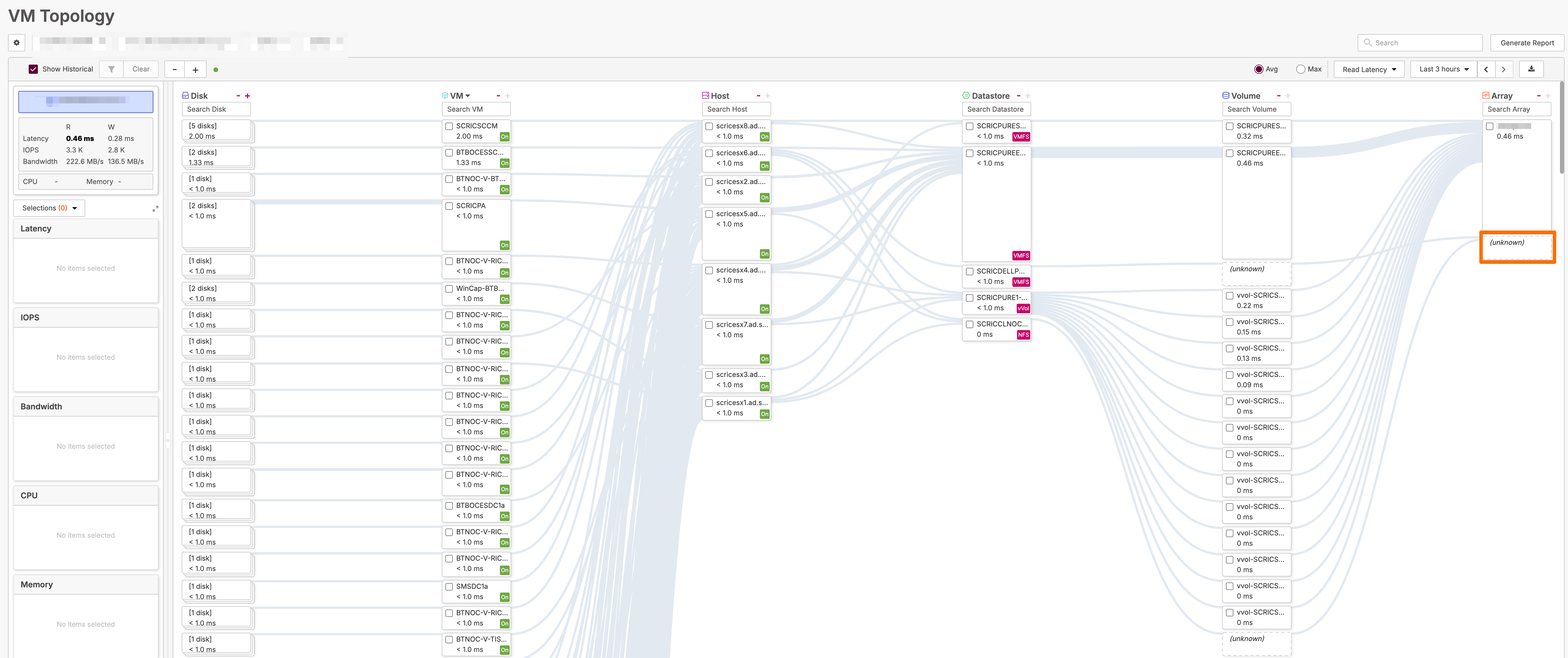
That’s fine.
It still works.
And honestly?
That neutrality is the superpower.
“My VM Is Slow” — Now What?
Instead of guessing, you can actually answer:
Is this VM slow because:
The host CPU is saturated?
Memory contention?
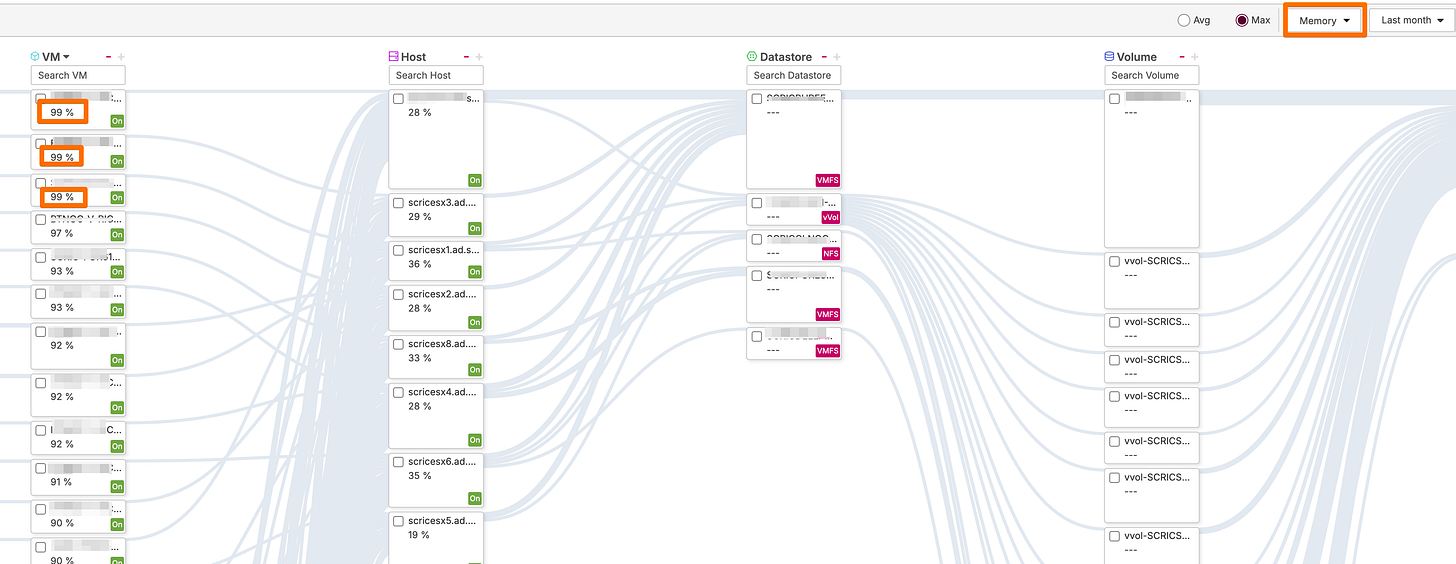
A noisy neighbor VM?
Datastore latency?
Or the backend storage gasping for air?
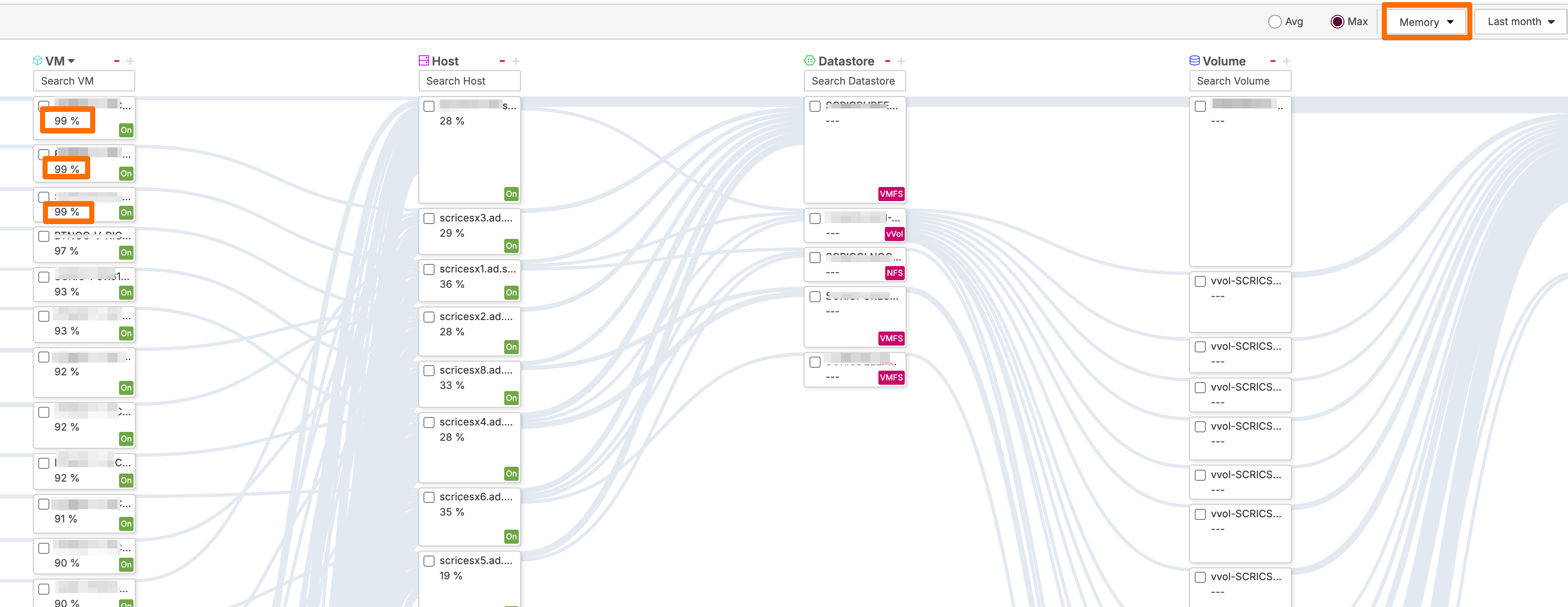
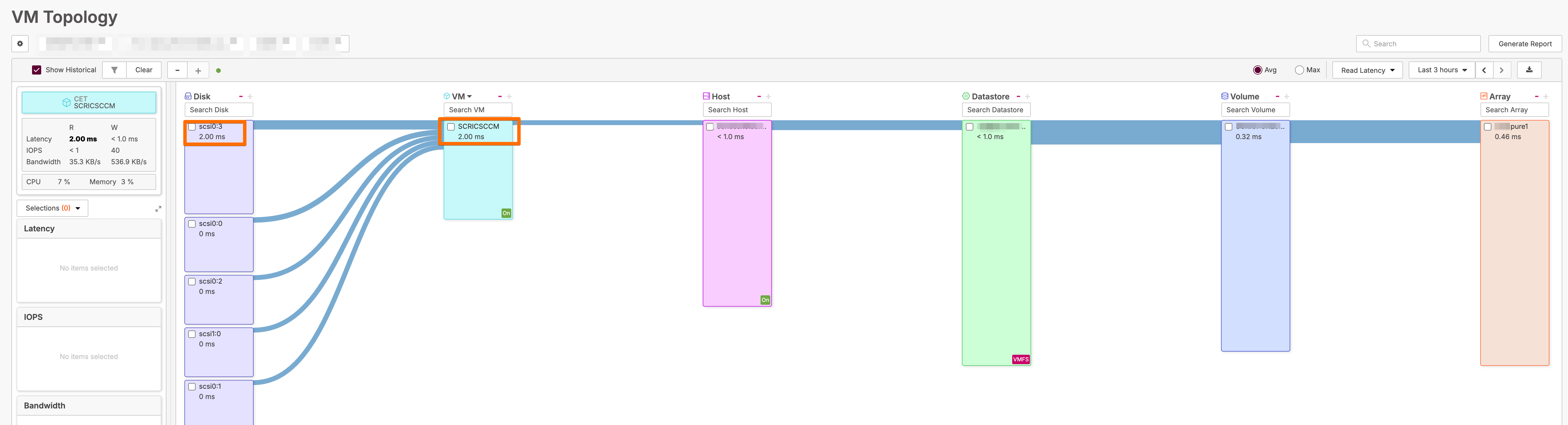
You can literally:
Click the VM
See its entire I/O path
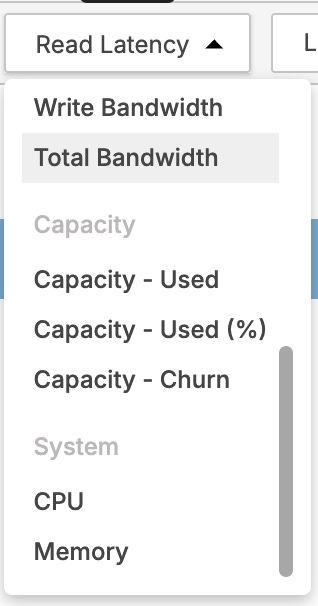
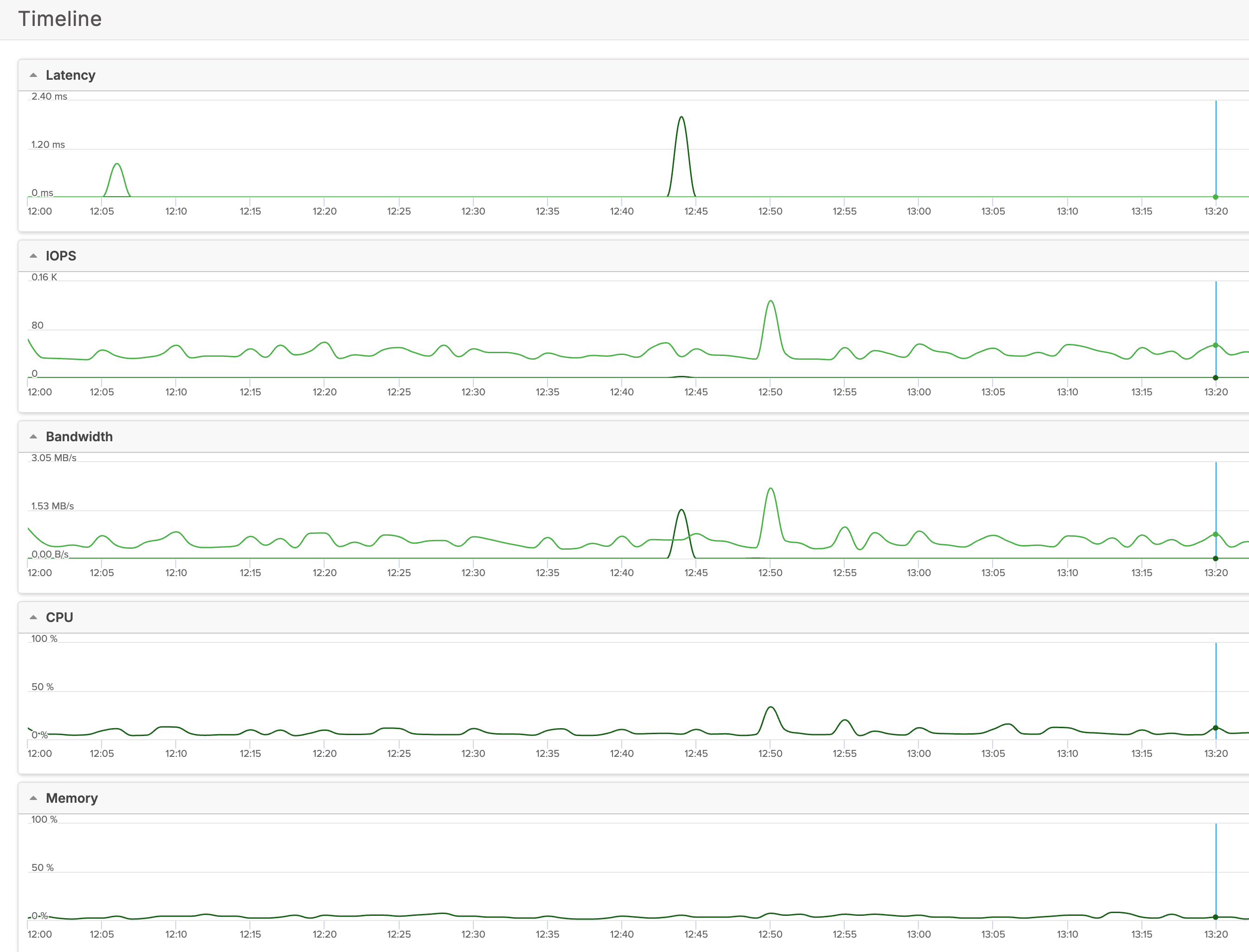
And watch latency, IOPS, throughput, CPU, and memory correlated in one place
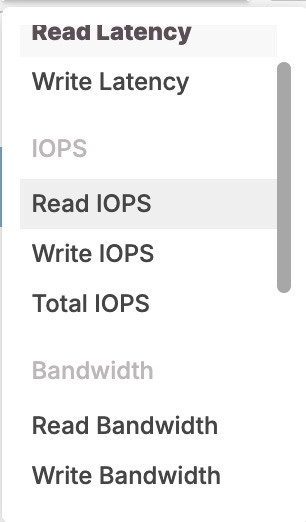
These are the available metrics available. I couldn’t figure out how to put both screen captures next to each other.
No hopping between five tools.
No storage team vs network team vs virtualization team cage match.
No “it works on my dashboard.”
Just facts.
Even better — when it isn’t storage:
You can prove it in about 30 seconds.
That alone saves relationships.
This Isn’t About Buying Hardware (Yet)
Here’s the important part for the “poor souls” staying on VMware:
This is not a rip-and-replace story.
This is not “buy FlashArray or else.”
This is not a migration pitch.
This is about surviving VMware admin life when:
Licensing went sideways
Budgets are tight
And expectations somehow went up
You get:
Visibility into legacy environments
Historical data for up to 30 days (not “hope you were watching at the time”)
And the ability to troubleshoot like an adult
If one day you do introduce Pure Storage?
Great — the same platform slides right into operational mode inside vSphere.
If you don’t?
You still win.
And that’s rare in enterprise IT.
Final Thought (Before the Phone Rings Again)
If you’re stuck on VMware:
You don’t need another promise
You don’t need another rebrand
You don’t need a seven-figure surprise renewal
You need answers when things go wrong.
You need visibility without politics.
You need tools that work even when your environment isn’t perfect.
Because the good people staying on VMware aren’t lazy.
They’re just dealing with reality.
And reality doesn’t care about licensing models.
When I have a little bit of time, I will write Part 2 on how to get this tool into your environment.
If you are a Pure Storage customer today, just reach out to your local SE - they will get you going in no time.
Dmitry Gorbatov
© 2025 Dmitry Gorbatov | #dmitrywashere